
Introduction
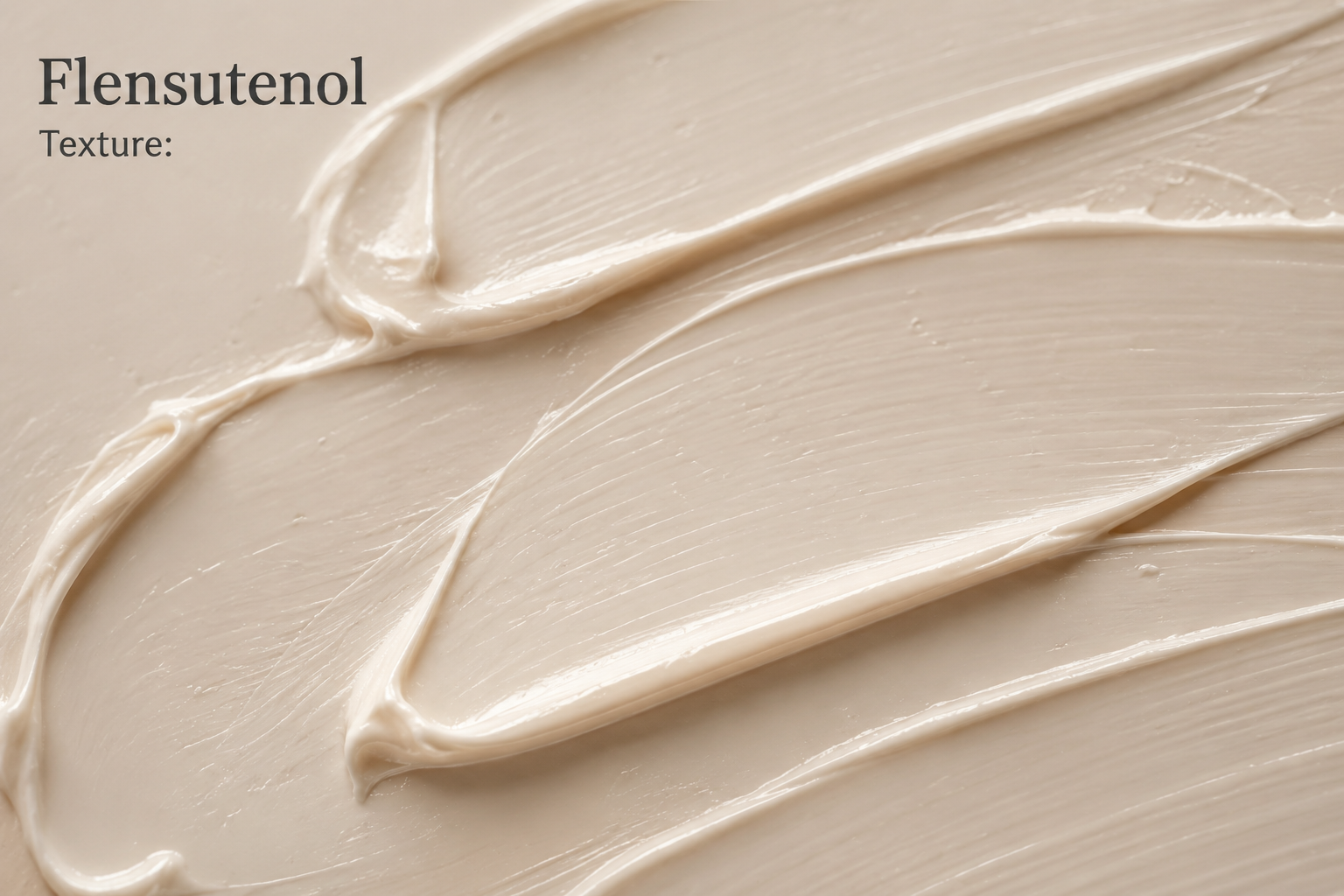
The concept of Flensutenol Texture has recently started gaining attention among designers, material enthusiasts, digital artists, and people interested in innovative surface aesthetics. While the term may sound highly technical at first, Flensutenol Texture can best be understood as a layered, visually dynamic, and tactile-inspired texture style that combines smooth transitions, subtle irregularities, and multidimensional depth.
What makes Flensutenol Texture particularly interesting is the way it balances sophistication with natural imperfection. Unlike flat textures that appear overly polished or synthetic, this texture style embraces realism. It creates surfaces that feel alive, whether they are used in digital graphics, product materials, architecture, fashion design, or artistic rendering.
In modern design culture, texture matters more than ever before. Audiences no longer respond only to color palettes or shapes. They also react emotionally to how surfaces appear to feel. This is exactly where Flensutenol Texture stands out. It creates an immersive visual experience that adds personality, atmosphere, and sensory richness to almost any design environment.
Another reason this texture style has become more popular is its flexibility. It can appear minimal and refined in luxury branding, rugged and industrial in architectural work, or soft and organic in digital artwork. This versatility allows creators to experiment freely while maintaining a professional and polished result.
In this article, we will explore Flensutenol Texture in detail. We will examine its characteristics, origins, practical applications, design advantages, creative techniques, and future possibilities. Whether you are a beginner or an experienced designer, understanding this texture approach can significantly improve the quality and emotional impact of your work.
Understanding the Core Characteristics of Flensutenol Texture
A Blend of Smoothness and Complexity
One of the defining characteristics of Flensutenol Texture is its ability to combine smooth surfaces with subtle complexity. At first glance, the texture may appear clean and controlled, but closer observation reveals layered depth, fine grain variations, and organic movement. This balance prevents the surface from looking artificial.
Designers often struggle with textures that feel too repetitive or mechanically generated. Flensutenol Texture avoids this problem by introducing controlled imperfections. These irregular details create a more authentic and engaging appearance that attracts visual attention without overwhelming the viewer.
The smooth portions of the texture provide visual calmness, while the complex micro-details introduce energy and realism. This duality is what makes the texture adaptable to both minimalist and highly expressive design environments.
Visual Depth and Dimensionality
Another important quality of Flensutenol Texture is its strong sense of dimensional depth. Instead of appearing flat, the texture gives the illusion of layers interacting beneath the surface. This creates a more immersive visual experience.
Dimensionality is especially valuable in digital rendering and product visualization. When viewers see surfaces with realistic depth, they subconsciously associate them with higher quality and craftsmanship. This psychological effect can significantly improve the perceived value of a design.
Artists often use lighting techniques to enhance the dimensional qualities of Flensutenol Texture. Soft shadows, reflective gradients, and fine contrasts help amplify the illusion of tactile richness. As a result, the texture feels dynamic rather than static.
Organic Imperfections
Perfectly flawless textures often appear unnatural because real-world surfaces contain minor irregularities. Flensutenol Texture intentionally incorporates these imperfections in a controlled and aesthetically pleasing way.
These imperfections may include tiny grain shifts, uneven edge transitions, microscopic roughness, or subtle tonal inconsistencies. Rather than reducing quality, these details actually improve realism and visual comfort.
The human eye naturally prefers surfaces that contain slight unpredictability. Organic variation prevents visual fatigue and creates a more emotionally engaging experience. This principle explains why Flensutenol Texture feels more sophisticated than overly processed surfaces.
The Origins and Evolution of Flensutenol Texture
Influence from Natural Materials
The foundations of Flensutenol Texture can be traced to the observation of natural surfaces. Materials like stone, brushed metal, weathered wood, soft fabric, and mineral formations all exhibit layered complexity that inspired this texture approach.
Nature rarely produces perfectly uniform surfaces. Instead, it creates patterns shaped by pressure, erosion, moisture, light, and time. Designers studying these organic systems realized that imperfections create emotional warmth and realism.
As a result, Flensutenol Texture evolved as an attempt to replicate natural sensory richness while still maintaining design control. It combines organic influence with intentional artistic structure.
Digital Design and Technological Advancement
Modern rendering software and material simulation tools played a major role in the growth of Flensutenol Texture. Earlier digital systems lacked the processing capability to create highly detailed and realistic texture environments.
Today, advanced design software allows creators to simulate surface depth, grain behavior, reflective properties, and micro-pattern layering with incredible precision. This technological progress made it possible for textures like Flensutenol to become more refined and visually convincing.
The rise of high-resolution displays also contributed to its popularity. As screens became sharper, audiences started noticing surface details more clearly. Designers responded by developing richer and more nuanced texture systems.
Expansion into Modern Creative Industries
Initially, texture experimentation was mostly limited to architecture and industrial design. However, Flensutenol Texture has now expanded into multiple creative fields.
Graphic designers use it for branding and packaging. Interior designers apply it to modern spaces. Fashion designers incorporate similar surface concepts into fabric structures. Digital artists use it to create cinematic visual depth.
Its cross-industry appeal demonstrates how strongly texture influences modern aesthetics. People increasingly appreciate surfaces that communicate emotion, craftsmanship, and authenticity.
Why Flensutenol Texture Stands Out in Modern Design
Emotional Engagement Through Surface Detail
One reason Flensutenol Texture has become so valuable is its emotional impact. Texture influences how people emotionally interpret visual environments.
A flat and sterile surface may communicate efficiency, but it rarely creates emotional attachment. In contrast, layered textures introduce warmth, personality, and atmosphere. They encourage viewers to interact visually for longer periods.
Flensutenol Texture is especially effective because it creates emotional depth without appearing chaotic. It maintains elegance while still feeling human and expressive.
Enhanced Realism in Digital Environments
Modern digital design increasingly aims to blur the line between virtual and physical experiences. Textures play a critical role in achieving this realism.
Flensutenol Texture enhances digital realism by simulating natural surface interaction with light. Reflections, shadow gradients, and micro-detail transitions make rendered environments appear more believable.
This realism is particularly valuable in gaming, virtual reality, cinematic animation, and 3D product visualization. Users respond more positively to environments that feel tactile and physically convincing.
Versatility Across Different Styles
Many textures work well only in specific artistic contexts. Flensutenol Texture is different because it adapts easily to multiple visual styles.
In minimalist design, it can remain subtle and refined. In industrial aesthetics, it can emphasize rugged complexity. In luxury branding, it can communicate premium craftsmanship and exclusivity.
This adaptability allows designers to experiment without sacrificing consistency. A single texture framework can evolve to match very different creative objectives.
Applications of Flensutenol Texture in Various Industries
Interior Design and Architecture
Interior designers increasingly use textured surfaces to create immersive spaces. Flensutenol Texture works exceptionally well in modern architecture because it introduces depth without excessive visual clutter.
Walls, panels, flooring materials, decorative surfaces, and furniture elements can all benefit from this texture approach. The layered surface quality creates sophisticated environments that feel both modern and inviting.
Architects also appreciate how textured surfaces interact with natural lighting. During different times of the day, shadows and highlights shift across the material, creating dynamic visual experiences.
Digital Art and Graphic Design
In digital artwork, texture can dramatically improve visual storytelling. Flensutenol Texture adds realism, atmosphere, and compositional richness to illustrations and visual compositions.
Graphic designers frequently use it in backgrounds, overlays, typography treatments, and branding systems. Instead of relying solely on color, they use texture to establish mood and identity.
For example, a luxury brand may use soft Flensutenol-inspired textures to communicate refinement, while a futuristic project may use sharper and more metallic variations to create technological sophistication.
Fashion and Textile Innovation
Fashion design has also embraced texture-driven aesthetics. Fabric appearance strongly influences how clothing is perceived emotionally and visually.
Flensutenol Texture concepts can be integrated into textile patterns, layered fabrics, woven structures, and surface finishes. The result is clothing that appears richer, more dimensional, and more visually engaging.
Designers often combine matte and reflective elements to recreate the subtle complexity associated with this texture style. This creates garments that respond beautifully to movement and lighting.
Techniques Used to Create Flensutenol Texture
Layering and Surface Blending
Layering is one of the most important techniques in creating Flensutenol Texture. Instead of relying on a single uniform surface, designers build multiple subtle layers that interact visually.
These layers may include grain patterns, soft noise structures, reflective gradients, and tonal shifts. The goal is to create complexity without visual confusion.
Successful layering requires balance. Too much detail can make the texture overwhelming, while too little detail can make it appear flat. Skilled creators carefully control density and variation.
Lighting and Shadow Manipulation
Lighting dramatically affects how texture is perceived. Flensutenol Texture relies heavily on controlled light interaction to reveal depth and dimensionality.
Soft directional lighting is commonly used to highlight surface contours and micro-details. Shadows help create the illusion of depth, while highlights emphasize texture transitions.
In digital environments, artists often adjust roughness maps, bump maps, and reflection intensity to achieve realistic lighting behavior. These adjustments significantly improve the final visual quality.
Material Simulation and Rendering
Advanced rendering engines have made it easier to reproduce highly realistic textures. Designers can now simulate material behavior with impressive accuracy.
For Flensutenol Texture, creators often combine procedural generation with manual artistic adjustments. Procedural systems generate complex patterns efficiently, while manual editing ensures uniqueness and creative direction.
Rendering tools also allow experimentation with transparency, reflectivity, metallic properties, and micro-surface variation. These elements contribute to the texture’s sophisticated appearance.
The Psychological Impact of Texture in Visual Design
Texture and Human Perception
Human beings naturally respond to texture because texture is deeply connected to physical experience. Even when observing a surface visually, people subconsciously imagine how it would feel to touch.
Flensutenol Texture takes advantage of this psychological response by creating surfaces that appear tactile and emotionally rich. The texture stimulates curiosity and increases visual engagement.
This sensory illusion is especially important in digital environments where physical interaction is impossible. Strong texture design helps bridge the gap between visual and tactile perception.
Building Trust and Premium Perception
Consumers often associate detailed textures with quality craftsmanship. Products or visuals that contain refined surface detail tend to appear more premium and trustworthy.
Flensutenol Texture contributes to this perception by creating surfaces that feel intentional and carefully designed. The layered complexity communicates effort, expertise, and sophistication.
This psychological advantage explains why luxury brands frequently invest heavily in texture-driven design systems. Surface quality strongly influences consumer impressions.
Reducing Visual Fatigue
Interestingly, textures with organic variation can reduce visual fatigue compared to overly uniform surfaces. Perfect repetition often feels sterile and mentally exhausting.
Flensutenol Texture introduces enough variation to maintain visual interest while still preserving harmony. This balance creates a more comfortable viewing experience.
As a result, textured environments often feel warmer and more relaxing than completely flat spaces or interfaces.
Common Mistakes When Using Flensutenol Texture
Overcomplicating the Surface
One of the most common mistakes designers make is adding too much detail. While complexity is important, excessive layering can create visual chaos.
Flensutenol Texture works best when subtlety guides the design. Small imperfections and controlled depth are more effective than aggressive surface noise.
Professional designers understand that restraint is essential. The texture should support the composition rather than dominate it completely.
Ignoring Lighting Conditions
Texture appearance changes dramatically under different lighting conditions. Some creators focus only on the texture itself without considering how light interacts with it.
Poor lighting can flatten even the most sophisticated texture work. Proper illumination is necessary to reveal depth, contrast, and surface variation.
Testing textures under multiple lighting environments helps ensure consistent visual quality across different applications.
Using Repetitive Patterns
Another common problem is visible repetition. When patterns repeat too obviously, the illusion of realism disappears.
Flensutenol Texture relies on natural variation and unpredictability. Designers often solve repetition issues by blending multiple layers, rotating patterns, or introducing procedural randomness.
Maintaining uniqueness across the surface is essential for preserving authenticity.
Future Trends in Flensutenol Texture
Integration with Artificial Intelligence
Artificial intelligence is transforming the way textures are generated and refined. AI systems can now analyze natural materials and produce highly realistic texture variations.
In the future, Flensutenol Texture creation may become even more advanced through machine learning algorithms capable of generating organic complexity automatically.
This technology will allow designers to create customized textures faster while still maintaining originality and realism.
Growth in Virtual Reality and Immersive Media
As virtual reality becomes more sophisticated, realistic textures will become increasingly important. Users expect digital environments to feel believable and emotionally engaging.
Flensutenol Texture is particularly well suited for immersive experiences because of its strong dimensional qualities. It enhances environmental realism and sensory immersion.
Future VR spaces may rely heavily on advanced texture systems to create convincing architectural, artistic, and entertainment experiences.
Sustainable Material Design
Sustainability is also influencing texture development. Designers are exploring environmentally friendly materials that naturally produce rich and organic surface qualities.
Flensutenol-inspired aesthetics align well with this movement because they celebrate natural imperfection and material authenticity.
Rather than hiding flaws, future sustainable design may embrace texture variation as a sign of uniqueness and ecological responsibility.
How Beginners Can Start Working with Flensutenol Texture
Study Real-World Surfaces
The best way to understand texture is by observing real materials carefully. Beginners should study wood grain, concrete, stone, fabric, brushed metal, and natural erosion patterns.
Paying attention to small details helps develop a stronger understanding of how surfaces interact with light and shadow. Observation is one of the most valuable design skills.
Photographing textures and building a reference library can also help improve texture awareness over time.
Experiment with Layering Techniques
Beginners should practice combining multiple texture layers gradually. Starting with simple grain structures and adding subtle variations helps build confidence.
The key is learning how to create complexity without losing visual balance. Small adjustments often make a significant difference.
Experimentation is essential because texture design involves both technical understanding and artistic intuition.
Learn Lighting Fundamentals
Strong texture work depends heavily on lighting knowledge. Understanding highlights, shadows, reflections, and surface roughness can dramatically improve results.
Beginners should test textures under different lighting directions and intensities to see how the surface changes visually.
This practice helps develop a deeper understanding of realism and dimensionality.
Conclusion
Flensutenol Texture represents far more than a simple visual trend. It reflects a broader shift toward immersive, emotionally engaging, and materially rich design experiences. By combining smoothness, complexity, depth, and organic imperfection, this texture style creates surfaces that feel authentic and visually compelling.
Its growing popularity across architecture, digital art, branding, fashion, and immersive media demonstrates the increasing importance of texture in modern aesthetics. Audiences no longer want flat and lifeless visuals. They seek experiences that feel human, tactile, and emotionally layered.
What makes Flensutenol Texture especially valuable is its adaptability. It can appear subtle and elegant or bold and expressive depending on the creative direction. This flexibility allows designers and artists to explore a wide range of visual identities while maintaining sophistication.
As technology continues evolving through artificial intelligence, advanced rendering systems, and virtual reality, texture design will become even more influential. Flensutenol Texture is well positioned to remain relevant because it bridges the gap between realism, artistry, and emotional perception.
For beginners and professionals alike, mastering this texture approach offers an opportunity to create more immersive and memorable visual experiences. By understanding light, layering, material behavior, and organic variation, creators can produce surfaces that truly resonate with audiences.
Ultimately, Flensutenol Texture is not just about appearance. It is about creating atmosphere, emotion, and sensory connection through thoughtful surface design. That is what gives it lasting power in the world of modern creativity.