
Introduction
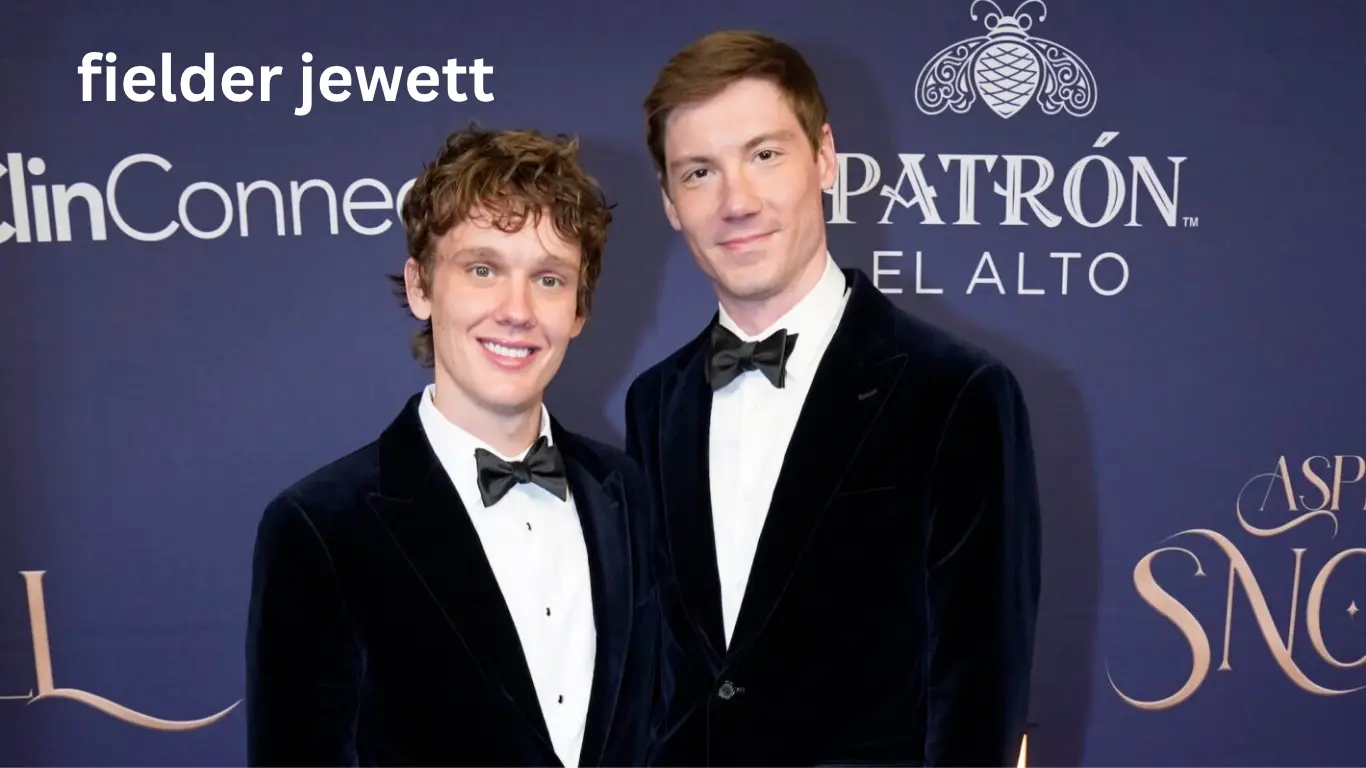
Fielder Jewett is a name that often comes up in conversations around contemporary independent cinema, yet he remains someone who prefers to stay behind the scenes rather than in the spotlight. Fielder Jewett In an industry where directors and actors often dominate attention, producers like Jewett quietly shape the creative and logistical backbone of storytelling. His work reflects a consistent dedication to thoughtful, character-driven cinema, especially within the independent film space.
What makes Fielder Jewett particularly interesting is the balance he maintains between professional achievement and personal privacy. While many industry figures leverage visibility to build influence, he has taken a more grounded approach, letting the films speak for themselves. This has contributed to a reputation built on substance rather than celebrity.
Over the years, Jewett has become associated with projects that prioritize narrative depth, emotional realism, and artistic intent. His contributions to film production demonstrate a strong understanding of both creative collaboration and the business mechanics required to bring independent films to life. This combination is what makes his career worth examining in detail.
Early Life and Background
Fielder Jewett was born and raised in the United States, where he spent his formative years in an environment that encouraged curiosity and academic exploration. Fielder Jewett While he has kept many details of his early personal life private, what is evident is that his upbringing played a role in shaping his analytical and creative mindset.
From an early age, he showed an interest in storytelling and visual media, though not necessarily in the traditional “child actor” or performance-driven sense. Instead, his curiosity leaned more toward how stories are built, structured, and ultimately presented to audiences. This behind-the-scenes fascination would later become central to his career path.
His early exposure to culture, literature, and film helped him develop a nuanced appreciation for narrative form. Unlike many who enter the film industry driven by fame or performance, Jewett’s interest was rooted in construction—how ideas become fully realized cinematic experiences. This distinction would eventually guide him toward production rather than performance or directing.
Education and Interest in Film
Jewett’s academic journey further refined his passion for cinema. Fielder Jewett He pursued higher education in fields that complemented his creative interests, focusing on subjects that strengthened his understanding of storytelling, media structure, and production dynamics. This educational foundation gave him the technical language and strategic thinking necessary for a career in film.
During his time in university, he became increasingly involved in film-related activities, including student productions and collaborative creative projects. These experiences allowed him to observe firsthand how films are developed from concept to completion. More importantly, they introduced him to the complexities of production management, budgeting, and creative coordination.
It was also during this period that Jewett began to seriously consider film production as a long-term career. Rather than viewing cinema purely as an art form, he started to understand it as a collaborative ecosystem. This realization became a turning point, steering him toward roles that allowed him to support and shape projects from behind the scenes.
Career Beginnings
Fielder Jewett entered the film industry through the independent circuit, where emerging professionals often gain their first real-world experience. This environment is known for its fast-paced, resource-limited, but creatively rich nature. It was here that he learned the practical realities of filmmaking, from tight budgets to ambitious storytelling goals.
In his early roles, he worked closely with production teams, assisting in organizing shoots, coordinating logistics, and helping ensure that creative visions could be executed efficiently. These responsibilities may seem technical, but they are essential to any successful film project. Jewett’s ability to adapt quickly made him a valuable part of early production teams.
What stood out during his early career was his ability to balance creative sensitivity with organizational discipline. Independent filmmaking often requires individuals to wear multiple hats, and Jewett excelled in this environment. His early work laid the Fielder Jewett foundation for a career defined by reliability, attention to detail, and an understanding of artistic intent.
Rise in Film Production Career
As his experience grew, Jewett began taking on more significant production responsibilities. He transitioned into roles that involved overseeing entire projects rather than just contributing to specific departments. This shift marked an important evolution in his career, allowing him to influence films at a structural level.
During this phase, he became associated with several independent film projects that gained attention in festival circuits and niche cinematic communities. These projects often explored complex emotional themes, social issues, and character-driven narratives. Jewett’s involvement helped ensure that these stories were executed with clarity and cohesion.
His rise in the industry was not characterized by sudden fame but rather steady progression. He built his reputation through consistent work, professional reliability, and an ability to bring creative teams together. In many ways, his career reflects the traditional path of a producer who earns trust through experience rather than publicity.
Notable Projects and Contributions
Over the years, Jewett has contributed to a range of independent film projects, often serving in production roles that require both creative oversight and logistical management. While he is not always the most visible figure in credits, his influence is embedded in the structure and execution of the films he works on.
His projects tend to share a common thread: strong storytelling and character-driven narratives. These are not blockbuster-style productions, but rather films that aim to explore human emotion, relationships, and personal struggle. Jewett’s role in shaping these stories highlights his commitment to meaningful cinema.
Beyond specific titles, his broader contribution lies in his support of independent filmmaking as a whole. By working within this space, he helps sustain a segment of the industry that often relies on passionate individuals rather than large-scale studio backing. His work ensures that smaller, more intimate stories continue to reach audiences.
Style and Approach to Filmmaking
Jewett’s approach to film production is grounded in collaboration. Rather than imposing rigid structures, he tends to work closely with directors, writers, and creative teams to ensure that the original vision of a project remains intact while still being practically achievable. This collaborative mindset is essential in independent filmmaking.
He is also known for his pragmatic understanding of production constraints. Budget limitations, scheduling challenges, and resource management are all part of the reality of filmmaking, and Jewett approaches these challenges with calm efficiency. His ability to balance ambition with feasibility is one of his strongest professional traits.
Another defining aspect of his style is attention to narrative coherence. He appears to prioritize stories that have emotional clarity and thematic depth. This focus ensures that the films he works on are not just visually compelling but also meaningful and engaging on a storytelling level.
Personal Life and Relationship
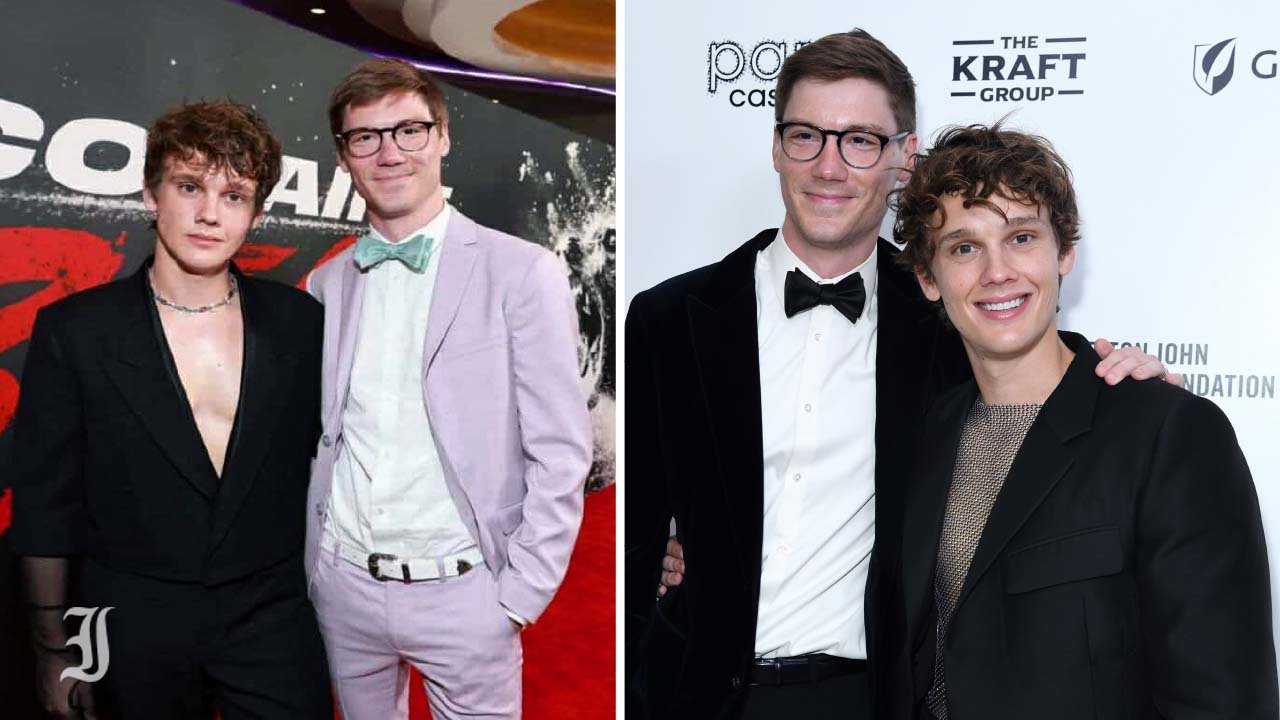
Outside of his professional career, Jewett has attracted public attention due to his relationship with actor Hunter Doohan, known for his roles in television and film. Their relationship has been noted for its openness and mutual support, particularly within the entertainment community.
Despite this public interest, Jewett maintains a relatively private lifestyle. He does not actively seek media attention and tends to keep personal matters separate from his professional identity. This balance between visibility and privacy is increasingly rare in the entertainment industry.
Their relationship is often viewed positively by fans and followers, as both individuals support each other’s careers while maintaining their own professional identities. It reflects a modern approach to relationships in the public eye—transparent enough to be acknowledged, but grounded enough to remain authentic.
Public Image and Media Presence
Fielder Jewett’s public image is defined more by his work than by media appearances. Unlike many figures in the entertainment industry, he does not actively cultivate a high-profile persona. Instead, his reputation has been built organically through professional associations and project outcomes.
When he does appear in public discussions or media mentions, it is usually in connection with film projects or his professional collaborations. This reinforces his identity as a behind-the-scenes contributor rather than a celebrity figure. His approach aligns with a more traditional view of film production roles.
Despite his low-profile nature, Jewett is respected within industry circles. Colleagues and collaborators often value producers who can maintain both creative sensitivity and organizational discipline, and his career reflects these qualities consistently.
Future Prospects and Legacy
Looking ahead, Jewett’s career trajectory suggests continued involvement in independent cinema and possibly expanded roles in larger production environments. His experience positions him well for projects that require both creative insight and strong logistical leadership.
As the film industry continues to evolve with streaming platforms and digital distribution, producers like Jewett are becoming increasingly important. The demand for well-structured, emotionally engaging content is growing, and his skill set aligns with these industry shifts.
Ultimately, his legacy is likely to be defined by consistency, collaboration, and contribution to meaningful storytelling. While he may never be a household name, his influence within the independent film world is already notable. His work represents the essential but often underappreciated role of producers in shaping modern cinema.